Why Presentation Still Matters (Even When People Pretend It Doesn’t)
There is a habit you run into sometimes. It is the belief that presentation, branding and visual quality are “fancy extras”. That clean design is optional. That consistency is optional. That a logo from 1997, scanned on a fax machine, is “good enough”.
It is not.
Presentation is not about being fancy. It is about being legible, trustworthy, recognisable and professional.
Good presentation is communication, not decoration.
People Make Decisions in Seconds
People judge businesses almost instantly. A crooked sign, a pixelated logo, a cluttered office or a chaotic website does not say “we are busy and hardworking”. It communicates that the business does not care about details, cuts corners, fails to invest in itself and is stuck in the past.
Research supports this. One Stanford study found that nearly 75% of users judged a website’s credibility based primarily on its visual design rather than its content (Fogg et al., 2003). A later review confirmed the same pattern, showing that design aesthetics strongly influence trust (Sillence et al., 2006).
There is also evidence that people form impressions of a website in as little as 50 milliseconds (Lindgaard et al., 2006), which is faster than a blink.
Good presentation does not make a weak business strong. Poor presentation does guarantee that people take the business less seriously.
Quality Is Efficiency, Not Vanity
Clear, well considered design makes everything easier. Good signage helps people find what they need without hesitation, well structured documents prevent back-and-forth questions, readable layouts reduce mistakes, and consistent branding removes the small moments of friction that slow people down.
For example:
- If a storefront sign is hard to read from the street, people walk past it without noticing.
- If an invoice or estimate is laid out poorly, clients ask the same questions again and again.
- If a form has unclear labels or inconsistent spacing, users misread fields and submit incorrect information.
- If a website puts critical actions in visually crowded areas, people hesitate or give up.
There is a well known principle in usability called the aesthetic-usability effect, which shows that people perceive attractive designs as easier to use (Kurosu & Kashimura, 1995). Messy design increases cognitive load and encourages users to give up early.
You are not trying to be fancy. You are trying to make life easier for the people who interact with your work.
Branding Builds Trust
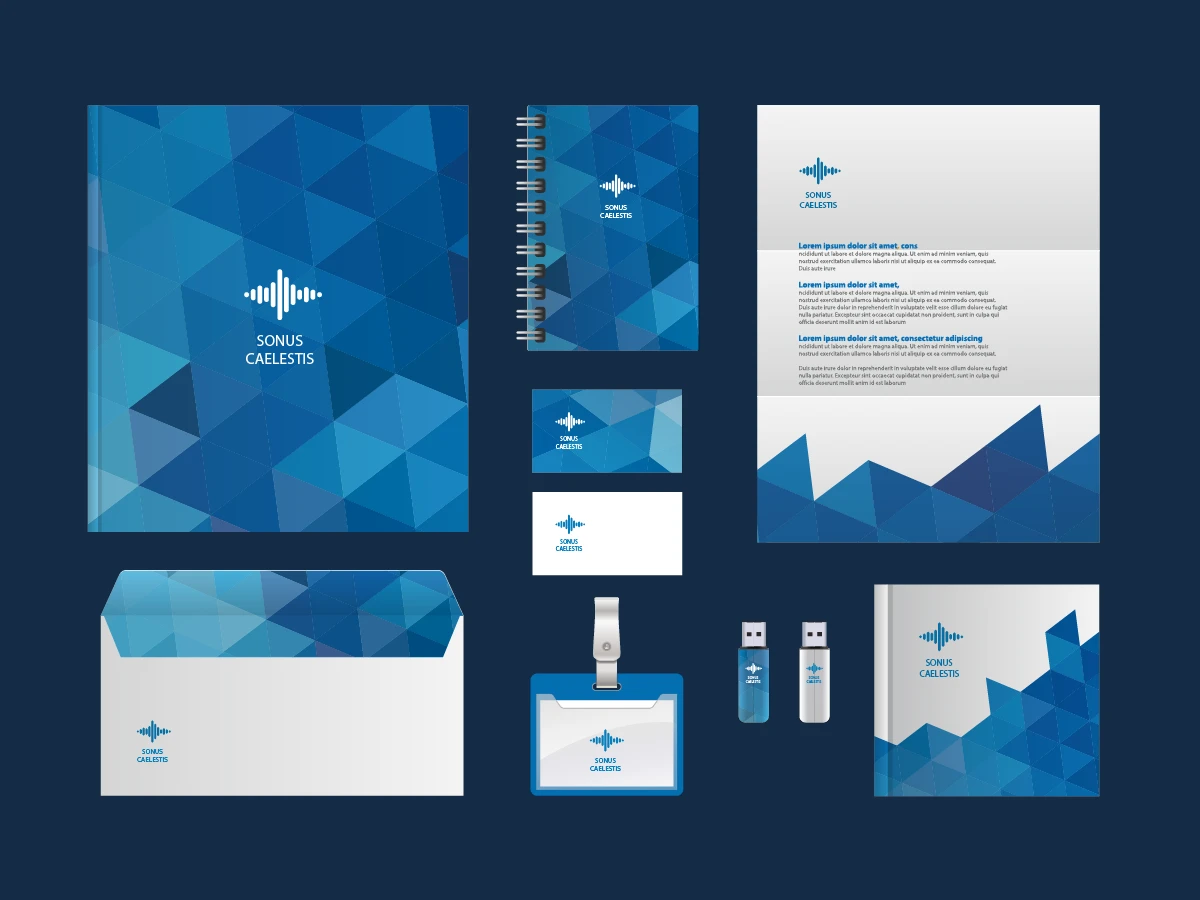
Trust grows from familiarity and consistency. A brand is not only a logo. It is a promise. Every time someone sees your business card, storefront, brochure or website, they are silently asking whether they trust you.
If your materials look like they were put together with a free template from twenty years ago, the answer is usually no.
Consistent brand presentation has been linked to higher revenue, with one analysis showing an average increase of about 23 percent when businesses maintain visual consistency Lucidpress & Demand Metric. Research also shows that design decisions, such as typography, directly influence perceived credibility and recognition Henderson, Giese & Cote, 2004.
Good branding is not about looking trendy. It is about communicating that you are dependable and paying attention.
Consistency Signals Competence
You do not need a huge budget or a large marketing department to look professional. You do need clean typography, proper spacing, consistent colors, uncluttered layouts, high quality images and correct file formats. Small details add up.
Most established brands define simple visual rules because those rules work:
- keeping consistent spacing around a logo so it never feels cramped
- using one heading font and one body font
- sticking to a defined color palette
- avoiding stretched or distorted logos
- using vector formats for print so edges stay sharp at any size
These basics do not require special training. They only require intention. When they are ignored, people feel it immediately.
Every industry has visual cues that signal competence. When a business ignores those cues, it starts at a disadvantage before the first conversation even happens.
Presentation Is a Form of Respect
When you take the time to make something clear and well structured, you communicate that you care about the experience of the person on the other side. You are saying that their time matters, and that your work matters.
When presentation is careless, people feel it. They understand what it implies.
Well considered presentation tells people that you respect them enough not to waste their attention.
Cheap Presentation Often Becomes Expensive Later
Poor presentation creates long term costs. A fuzzy logo printed on thousands of cards will eventually require a replacement run. A confusing website forces potential customers to give up. A disorganized workspace slows the team down.
Shortcuts in design rarely stay invisible. They show up later as lost leads, small frustrations, or expensive fixes.
Doing things properly once is cheaper than repeating them endlessly.
Attention to Detail Is Not Pretentious
Some people treat attention to detail as fussiness. It is not. It is professionalism. A chef who never tastes their food or a carpenter who never checks a level produces work that fails the moment someone looks closely.
Quality is a foundation, not an add-on.
Consistency, clarity and accuracy are not pretentious ideals. They are normal parts of good work.
Final Thoughts
Presentation is not about looking fancy. It is about being clear, reliable and competent. First impressions happen quickly, and visuals are often the first point of contact. If you want people to take you seriously, your work needs to look like it deserves that respect.